

Revolutionizing Home Healthcare Innovations in Clinical Technology for Better Patient Outcomes

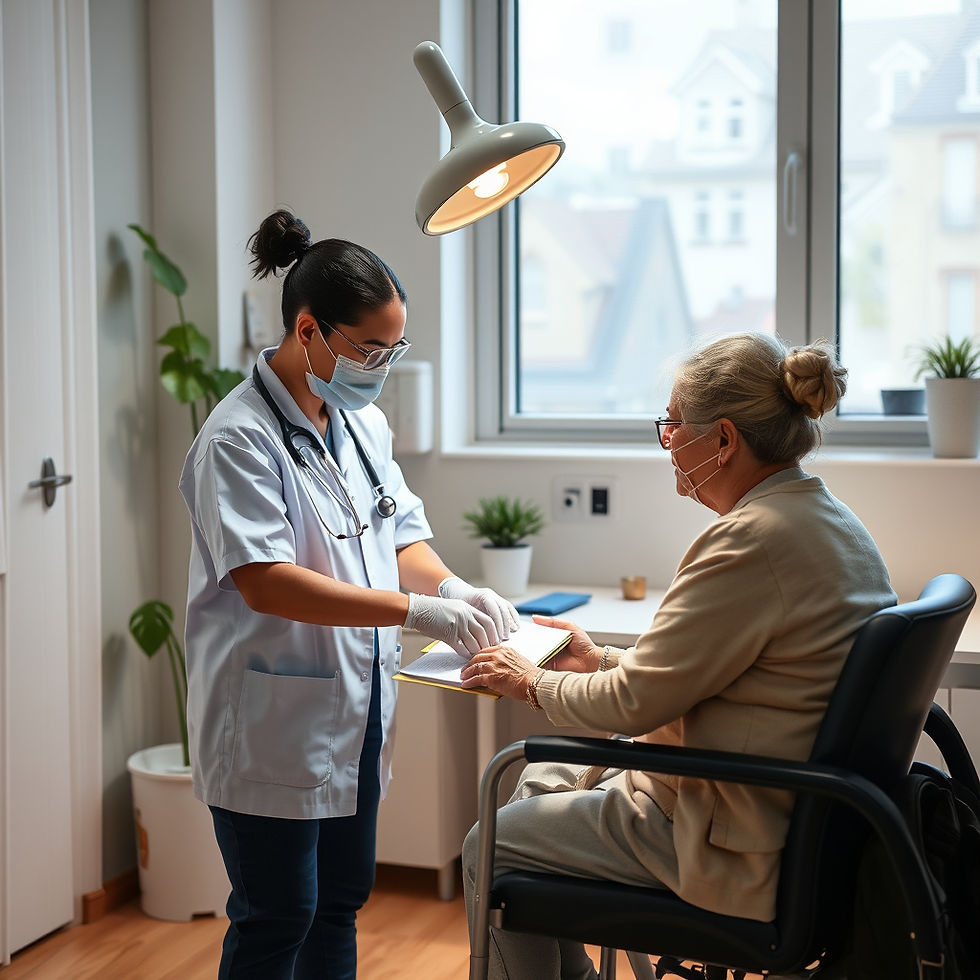
Healthcare is changing rapidly, with new technologies making it easier for patients to manage their health at home. These advancements help monitor health conditions closely, catch problems early, and reduce the need for hospital visits. This blog explores the latest tools and devices transforming home healthcare, showing how they improve patient outcomes and what the future might hold.
How Technology is Changing Home Healthcare
In the past, patients with chronic illnesses or recovery needs had to visit clinics frequently for check-ups. Now, many clinical tools fit into the home environment, allowing continuous monitoring and quick response to health changes. This shift supports patients in staying healthier longer and reduces pressure on hospitals.
Devices like wearable sensors, smart blood pressure monitors, and connected glucose meters collect real-time data. This information can be shared instantly with healthcare providers, enabling timely interventions without in-person visits.
Key Tools Enhancing Patient Monitoring at Home
Several types of devices have gained popularity for home use:
Wearable Health Trackers
These devices measure heart rate, oxygen levels, sleep patterns, and physical activity. Advanced models detect irregular heartbeats or signs of respiratory distress, alerting users and doctors early.
Remote Patient Monitoring Systems
These systems combine multiple sensors to track vital signs such as blood pressure, temperature, and weight. Data is sent to healthcare teams who can adjust treatment plans remotely.
Smart Medication Dispensers
These devices remind patients to take medications on time and track adherence. Some alert caregivers if doses are missed, improving treatment effectiveness.
Telehealth Platforms
Video consultations and digital symptom checkers allow patients to communicate with doctors without leaving home. This reduces travel and exposure to infections.
Benefits of Home-Based Clinical Technology
Using these tools at home offers several advantages:
Improved Patient Outcomes
Continuous monitoring helps detect health issues before they worsen. Early intervention can prevent complications and hospital admissions.
Greater Patient Engagement
Patients become active participants in their care by tracking their own health data. This awareness encourages healthier habits and better management of chronic conditions.
Reduced Healthcare Costs
Fewer emergency visits and hospital stays lower overall expenses for patients and healthcare systems.
Convenience and Comfort
Patients avoid travel and wait times, receiving care in familiar surroundings that support recovery and well-being.
Successful Examples of Home Healthcare Technology
Several healthcare providers and companies have reported positive results using home monitoring tools:
The Veterans Health Administration (VHA)
The VHA implemented remote monitoring for heart failure patients. They saw a 25% reduction in hospital readmissions by tracking weight and symptoms daily.
Philips’ Remote Patient Monitoring Program
Philips uses connected devices to monitor chronic obstructive pulmonary disease (COPD) patients. This program improved quality of life and reduced emergency visits by 30%.
MedMinder Smart Pill Dispenser
This device helped elderly patients improve medication adherence by 40%, reducing complications related to missed doses.
These examples show how technology can support better health management and reduce strain on healthcare facilities.
Expert Views on Future Trends
Healthcare experts expect home clinical technology to evolve further:
Artificial Intelligence Integration
AI will analyze patient data to predict health risks and suggest personalized care plans. This will make monitoring more proactive and precise.
Expanded Use of Wearables
Future wearables may track more complex health indicators, such as blood sugar or hydration levels, without invasive procedures.
Improved Connectivity
Faster, more reliable internet and 5G networks will enable seamless data transfer and real-time communication between patients and providers.
Greater Focus on Mental Health
Technologies will also support mental well-being through mood tracking and virtual therapy sessions.
Dr. Emily Chen, a digital health researcher, notes, "The future of home healthcare lies in combining smart devices with data-driven insights to create personalized, continuous care that adapts to each patient’s needs."
Practical Tips for Patients Using Home Healthcare Devices
To get the most from these technologies, patients should:
Choose devices approved by healthcare professionals or regulatory bodies.
Learn how to use devices correctly and maintain them.
Share data regularly with their healthcare team.
Report any unusual readings or symptoms promptly.
Combine technology use with healthy lifestyle habits.
Challenges and Considerations
While promising, home healthcare technology faces some challenges:
Data Privacy and Security
Protecting sensitive health information is critical as more data moves online.
Technology Access and Literacy
Not all patients have equal access to devices or the skills to use them effectively.
Integration with Healthcare Systems
Ensuring data from home devices fits smoothly into medical records and workflows remains a work in progress.
Addressing these issues will be key to maximizing the benefits of home healthcare innovations.


Comments